
Pasta With Sausage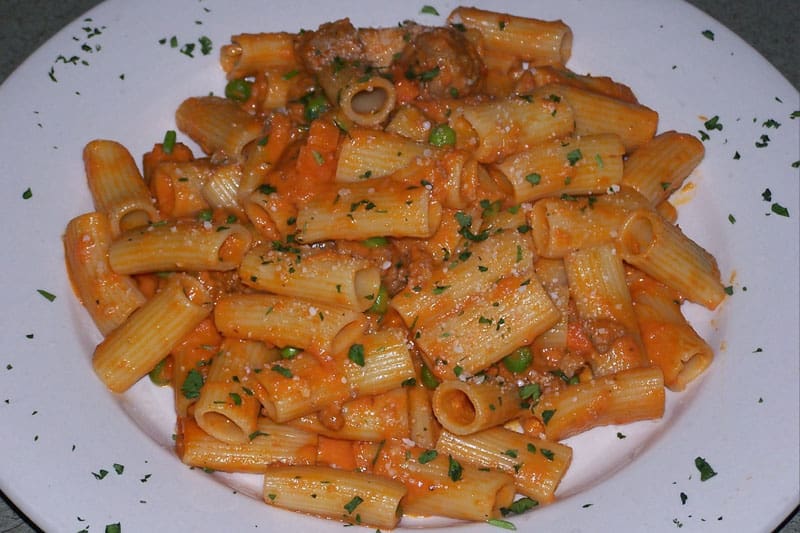
2 Tablespoons Olive Oil
½ Pound Sweet Italian Sausage (Remove Casings & Crumble)
¼ Teaspoon Red Pepper Flakes
¼ Cup Diced Onion
2 Minced Garlic Cloves
15 Ounces Coarsely Chopped Italian Plum Tomatoes
¾ Cup Heavy Cream
¼ Teaspoon Salt
6 Ounces Pasta of Your Choice
1 ½ Teaspoon Minced Parsley
½ Cup Grated Parmesan cheese
Heat olive oil in a heavy skillet over medium heat. Add the sausage and red pepper flakes. Cook sausage; add onion and garlic until tender. Stir frequently. Add tomatoes, cream and salt. Simmer until slightly thickened. Cook pasta in a large pot of boiling water. Do NOT overcook the pasta. Drain pasta and add to the sauce. Cook for about 2 minutes. Divide between plates and sprinkle with parsley and Parmesan cheese. Serves 2
Toasting Nuts
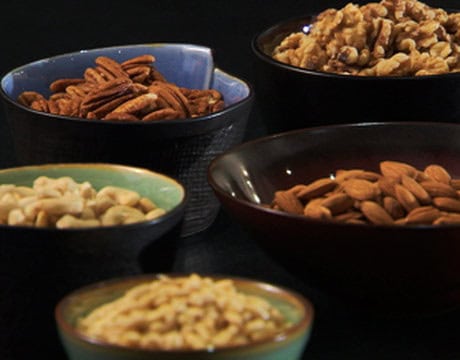
Toasting nuts brings out their flavor and, in the case of nuts such as hazelnuts, facilitates removal of the skins.
To toast almonds, pecans, walnuts or hazelnuts, preheat the oven to 350° F. Spread the shelled nuts in a single layer on a cookie sheet. Bake, stirring occasionally, until lightly browned and fragrant – usually about 10 minutes. Toast hazelnuts until the skins begin to peel away. Let the nuts cool completely before chopping.
To skin hazelnuts, wrap the still warm toasted nuts in a clean kitchen towel and let stand for about 10 minutes. Using the towel, rub off as much of the skins as possible (all of the skin may not come off).
Know Your Cocoa
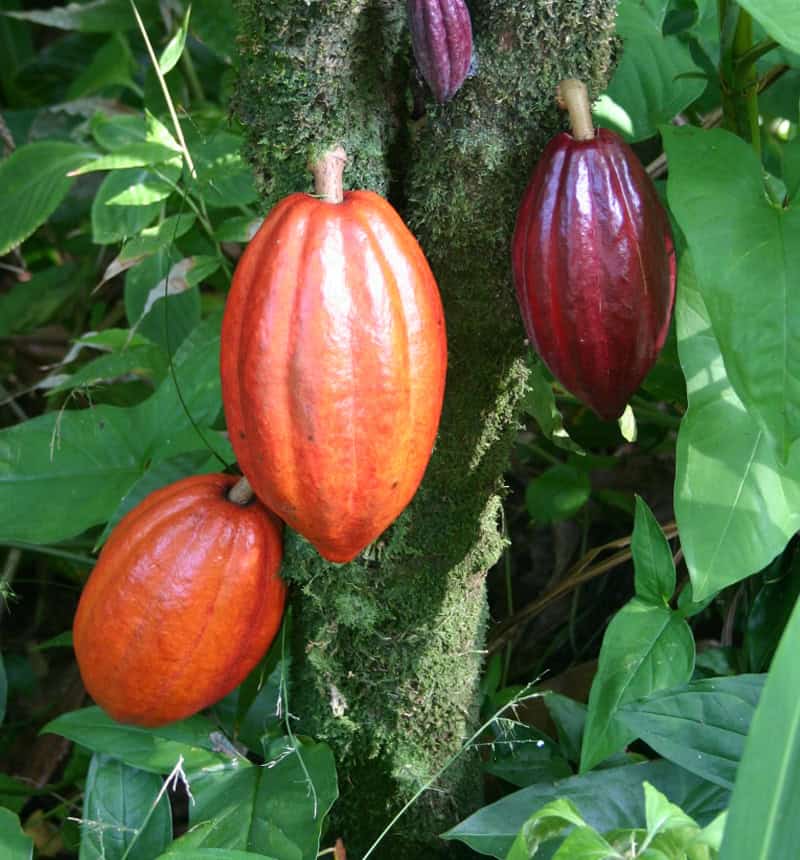
Cocoa (theobrama cacao) is a product extracted from the bean of the cacao plant (a tree originally from tropical America). Cocoa is the basic ingredient in chocolate. The different species of cacao are generally divided into two groups: cacao plants that produce superior-quality cocoa and cacao plants that produce ordinary-quality cocoa (used mostly in the industry). The fruit of the cacao plant, its pod, is an oblong berry measuring up to 12 inches long and 3 to 5 inches wide. It contains a gelatinous pulp that harbors 30 to 40 pink or pale purple seeds (beans). These seeds are made up of a kernel, a seed coat and a germ. Only the kernels are eaten, and only after being processed, as they are very bitter.
Cocoa powder is high in starch, which makes it difficult to blend with other substances. Mix it with a cold liquid (if it is hot, lumps will form) or add sugar to it, which separates the starch particles; it can also be mixed after sifting.
Cocoa can be used to flavor cakes, pies, puddings, cookies, sauces, frostings, ice cream, mousses, flans, breads, candies, syrups, milk, drinks and liqueurs.
Not all cocoas are created equal. There is a difference between natural and Dutch process cocoas. Don’t swap cocoa types and do not use mixes for hot chocolate drinks. Use what is recommended in the recipe. Both types of cocoa have rich chocolate flavor, are equally delicious, and contain between 8 and 24 percent fat.
In my kitchen, I usually use natural cocoa because it is readily available. Its acidity works in tandem with the baking soda in a batter to create carbon dioxide bubbles, which leaven cakes. Dutch process cocoa is treated with an alkali agent that neutralizes and removes some of the cocoa’s acidity. The process was developed in the Netherlands in the mid-1800s, hence the name. This process changes the cocoa’s chemical composition, so it doesn’t need to be combined with baking soda. You will find Dutch process cocoa at specialty food stores and most supermarkets. Look closely at the label. Some cocoas are alkalized even if the label doesn’t clearly state it.