
 Tiny New York Kitchen Wishes You & Your Family A Very Happy Easter!
 The Origins Of Easter Symbols
Easter celebrates the resurrection of Jesus, but is also associated with popular symbols such as eggs, candy, bunnies and food. Here is a look at the origins of these beloved symbols.
The Easter Lily
The white blossoms of the lily symbolizes the purity of Jesus. The trumpet-shaped flower that blooms in the spring also symbolizes new life and the resurrection of Jesus Christ. People use the flower to celebrate and enjoy the very essence of the Easter season.
Hot Cross Buns
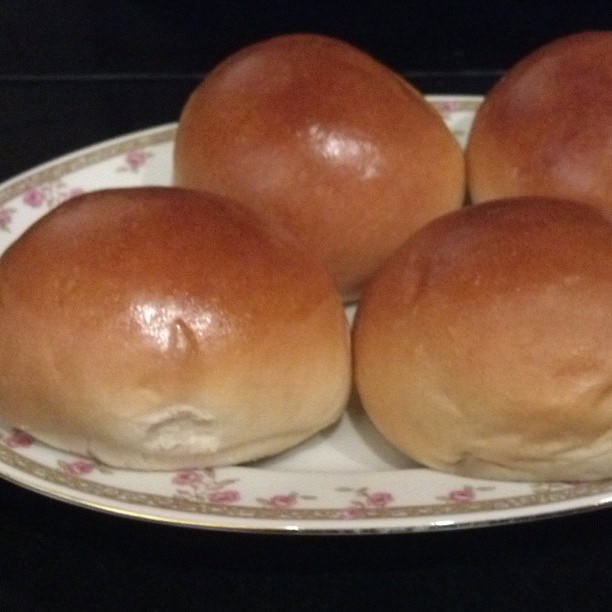
A favorite during spring and the Easter season. Hot cross buns are a sweet, yeast leavened, spiced roll made with currants or raisins. They have long been a symbol of Good Friday. Each bun has an icing cross on top to signify the crucifixion.
The Butterfly
The butterfly’s unique life cycle is meant to symbolize the life of Jesus Christ. The first stage, the caterpillar, stands for his life on Earth. The cocoon stage portrays the crucifixion and the burial of Jesus. The final stage, the colorful butterfly, represents Jesus rising from the dead and the resurrection.
Easter Baskets
In Germany, children made nests in which the “Osterhase” or Easter Bunny could lay his colored eggs. The nests were replaced with baskets once the tradition was brought to the United States and the Easter contents were expanded to include candy and other treats.
Easter Ham
In the United States ham has become a traditional Easter dish. In the early days, meat was slaughtered in the fall. There was no refrigeration so the fresh pork that wasn’t consumed during the winter was cured for spring. This made ham a natural choice for the celebratory Easter dinner.
Easter Egg Hunts & Rolls
The first official White House egg roll took place in 1878 under the presidency of Rutherford Hayes. Egg hunts and rolls have no religious connection, but some will point out that the roll is a symbolic act for the removal of the stone blocking Jesus’ tomb.
Easter Parade
The origin of Easter parades dates back to the mid-1800’s in New York City. The wealthy used Easter as an opportunity to show off their new spring wardrobe by walking up and down Fifth Avenue after church. Soon the less fortunate started showing up to watch the spectacle and a tradition was born.
Easter Candy
Second only to Halloween in candy sales, Easter is a holiday for children and adults with a serious sweet tooth. Chocolate eggs and candy shaped like bunnies or eggs are extremely popular. Also, jelly beans are often associated with the holiday due to their egg-like shape.
The Egg
Easter eggs are likely linked to pagan traditions, but eggs have long been used to celebrate spring and the idea of renewal. It’s not unusual that in almost all ancient cultures, eggs are held as a symbol of life. At the Passover Seder, a hardboiled egg dipped in salt water symbolizes both new life and the Passover sacrifice offered at the Temple of Jerusalem.
The Easter Bunny
The cute furry creature is certainly not mentioned in the Bible, but has nonetheless become the most well-known symbol for the spring holiday. The Easter Bunny’s origins are not entirely known, but some stories date his arrival in the United States back to the 1700’s when German immigrants brought their tradition of an egg laying hare called “Osterhase” to the country. Much like children leave cookies for Santa, boys and girls leave carrots out for the Easter Bunny in case he got tired from hopping around all night.

 Easter Menu Ideas
The greatest feast of the Christian Church takes its name from that of Eastre, the Anglo-Saxon goddess of the dawn. The feast, however, has another name, the Pasch, the Greek word coming from the Hebrew pesakh, the Passover. This is the term for the feast which is used in nearly every language except English and German, but even these two languages use the words Paschal candle and Paschaltide. In the churches of the Eastern Orthodox the feast of Easter comes somewhat later than in the Western calendar, but the observance is as great, if not greater. Here are some Easter feast ideas that may be useful in your home this Sunday.
Easter Breakfast Or Brunch
Mini Frittatas: Cheddar, Asparagus, Sun-Dried Tomato, Swiss, Bacon or Mushroom
Spring Onion Quiches With Gruyere Cheese: Cooked Leeks & Onions With Cheese & A Savory Egg Custard Baked In A Tart Shell
Asparagus, Arugula & Goat Cheese Quiche: Asparagus, Baby Arugula & Goat Cheese Mixed With Egg Custard Baked In a Flaky Crust
Fresh Fruit Platter: Sliced Cantaloupe, Honeydew, Watermelon , Pineapple, Grapes & Berries
Easter Appetizers
Asparagus Rolled In Pancetta
Mini Spinach & Ricotta Calzone
Bruschetta
Crudites Platter: Celery, Broccoli, Cauliflower, Green & Yellow Squash, Sliced Cucumbers, Red/Yellow/Green Bell Peppers, Grape Tomatoes And Baby Carrots
Cheese Platter: Classic American & European Cheeses Cubes & Wedges For Snacking. Serve With Almonds & Crostini
Shrimp Cocktail: Cook, Devein & De-shell Large Shrimp Serve with Lemons & Cocktail Sauce
Smoked Salmon Platter: Sliced Salmon With Chopped Red Onions, Capers, Cornichons, Mustard Sauce & Horseradish Sauce
Whole Boneless Poached Salmon: Poached In White Wine With A Light & Creamy Dill Sauce
Soups
Spring Pea & Onion Soup: Pureed Spring Pea & Onion Soup Made With Celery, Leeks, Garlic & Thyme
Carrot & Fennel Soup: Carrots, Fennel & Tomatoes Cooked In Vegetable Broth. Pureed Smooth
Salads & Side Dishes
Shrimp, Spring Pea & Morel Salad: Shrimp With Crispy Spring Peas, Morel Mushrooms & Tomatoes Lightly Tossed In A Lemon Vinaigrette
Golden Beet, Radish & Frisee Salad: Golden Beets, Radishes, Frisee Served With Goat Cheese, Pecans & Champagne Vinaigrette.
Grilled Asparagus: Marinate In Olive Oil & Kosher Salt. Grill
Gnocchi, Peas & Pancetta: Gnocchi, Peas, Panchetta, Ricotta Salata, Baby Arugula & Lemon Zest
Entrees
Honey Spiced Turkey Breast: Brine, Slow Roast Finished With Spices & Honey Glaze
Apricot Bourbon Glazed Ham: Apricot Jam, Honey, Dijon Mustard & Bourbon Combined & Poured On Top Of Ham Then Baked
Victoria’s Apricot Pork Tenderloin
Rosemary Rubbed Leg Of Lamb: Boneless Leg Of Lamb Marinated In Olive Oil & Herbs Then Roasted To Medium Rare
Grilled Salmon With Crispy Potato & Leek Fondue: Grilled Salmon Topped With Melted Spring Leeks With A Touch Of Cream & Crispy Fingerling Potatoes
Rack Of Lamb: Roasted With A Variety Of Spices
Desserts
Carrot Cake With Cream Cheese Frosting
Chocolate Cake
Yellow Cake With White Chocolate Ganache
Victoria’s Caramel & Chocolate Pecan Bars
Fruit Tarts
Hot Cross Buns
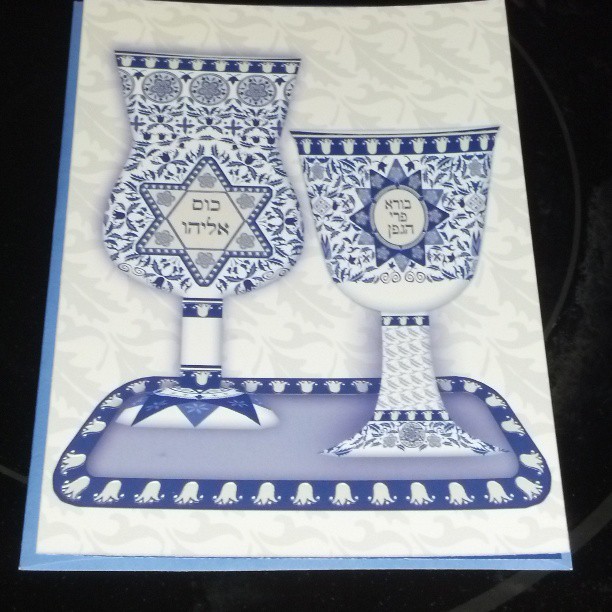 Tiny New York Kitchen Wishes You A Very Happy Passover
 Passover Menu Ideas
March 25 to April 2
There can be something wonderfully reassuring about sitting down to a dinner so traditional that you will know exactly what to expect. Each family has their own traditions and favorites. They’ve stood the test of time and families look forward to them year after year.
Seder Plate:
Hard Boiled Egg
Shank Bone
Horseradish
Haroset
Parsley Bouquet
Matzoh
Apple & Walnut Haroset
Persian Haroset
Gefilte Fish With Horseradish
Traditional Gefilte Fish With Carrots & Aspic Served With Matzoh
Traditional Chopped Liver
Pickled Herring In Onion & Sour Cream Sauce
Smoked Whitefish Salad
Herring Salad
Crudité of Fresh Raw Vegetables With Dip
Imported Cheese Board Garnished With Fresh Fruit
Chicken Soup With Matzoh Balls
Roasted Salmon
Traditional Brisket With Gravy
Filet of Beef
Roasted Whole Capon With Rosemary & Shallots
Roast Chicken
Free Range Turkey
Whole Boneless Fresh Turkey Breast
Rolled Spit Roasted Turkey Breast
Smoked Fish Platters With Olives, Capers & Lemons
Smoked Salmon Platter
Whole Boneless Large Whitefish
Matzoh Stuffing With Mushrooms & Caramelized Onions
Tzimmes of Sweet Potatoes, Carrots & Butternut Squash
Potato Pancakes With Applesauce
Potato Kugel
Spinach Kugel
Steamed Spring Vegetables With Dill
Herb Roasted Beets
Sautéed Root Vegetables (Turnips, Parsnips, Carrots, Haricots Vert & Wild Mushrooms)
Steamed Asparagus
Glazed Brussels Sprouts & Pearl Onions
Green Beans With Roasted Garlic
Lemon Meringue Cake
Chocolate Torte
Chocolate Almond Cake
Chocolate Glazed Orange Cake
Walnut Date Torte
Cheesecake
Raspberry Filled Yellow Cake
Orange & Lemon Sponge Cake
Sliced Fruit Platter
Fruit Salad
French Macaroons
Coconut Macaroons
Almond Macaroons
Meringue Clouds
Brownies
NOTE: For Baking Desserts Use Almond Flour, Kosher Potato Starch, Matzo Cake Meal or Matzo Meal As Substitutions. Check Recipes To Determine Which Are The Best Substitutions.
 Preparing The Seder Plate
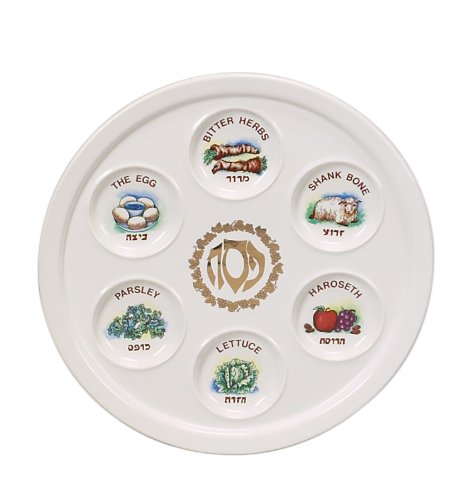
Passover is almost here and if you are Jewish then it’s time to think about preparing the Seder plate. The foods are symbolic and are arranged on a specific Seder plate which is called k’arah in Hebrew. Some of these symbolic foods are eaten and some are not. Throughout the years these plates have been made from silver, pewter, brass, painted porcelain and glass with specific indented compartments for the ceremonial foods. If you don’t have a Seder plate then you can display the foods on a pretty tray or platter with decorations of fresh spring blossoms or herbs. If you are having quite a few quests then you may want to have a second Seder plate for the other end of the table.
The traditional Seder plate items include:
Karpas: A vegetable to celebrate spring and rebirth. This vegetable usually is a green vegetable such as celery, sweet lettuce or a spring herb such as parsley or chervil which symbolizes the beginning of new life. Some use a boiled potato as a reminder of a harsh early spring.
Maror: This symbolizes the misery of the Israelites’ slavery and oppression. This is a bitter herb that varies from community to community or even from one family to another. Ashekenazim like to use either ground or sliced fresh horseradish root or romaine lettuce. Sephardim like to use bitter greens such as endive, escarole, chicory, sorrel, arugula, dandelion, purslane, celery leaves or watercress. Maror is eaten by all at the table so you may want to put extra in a separate bowl.
Haroset: Haroset is the fruit and nut dip that is symbolic of clay or mortar that the Israelites used to construct the pyramids. Kids like to sculpt it into pyramid shapes if the haroset is stiff enough. Some people like to serve two or three different types of harosets symbolizing the diverse Jewish communities. Haroset usually consists of quartered, grated or chopped apples, walnuts or almonds, ground cinnamon and kosher grape wine or grape juice. The consistency tends to be more like a paste.
Hazeret: Many Seder plates have a second place for another bitter herb in addition to the maror. This additional bitter herb is to be used in the traditional Hillel sandwich which is a matzoh with a filling of haroset and bitter herbs.
Zeroa (Forearm): This is a roasted lamb shankbone that symbolizes the ancient Paschal lamb sacrifice in the Temple. It also symbolizes the protective arm of God. The Israelites marked their doorposts with blood from the lamb that was slaughtered on the eve of the Exodus. Seeing this sign, the Angel of Death “passed over” their homes, keeping them from God’s tenth and final plague (the slaying of the firstborn males). Some use a poultry wing or neck. Vegetarians may use a beet. A friend of mine, who is not a meat eater, told me that last year she cut out a picture of a shankbone and placed it in the proper place on the Seder plate. Zeroa is typically not eaten at the Sedar. The shankbone is roasted and scorched to symbolize the burnt sacrificial offering.
Beitzah: This is a roasted egg which is the symbol of the festival sacrifice of each Jew brought to the ancient Temple. It is also a symbol of spring, mourning and rebirth. The egg is also not eaten during the Seder service. Hard boil an egg and then wrap it, still in the shell, in a foil. Place it in a hot oven until it is lightly charred. Make sure to hard boil the egg first or you will have quite a mess on your hands.
Another symbolic item on the Seder table, not on the Seder plate, is a plate of three whole matzot, which are stacked and separated from one another by cloths or napkins. The middle matzah is broken and half of it put aside for the afikoman (after the meal or dessert). The top and other half of the middle matzot is used for hamotzi (blessing over the bread). The bottom matzah is used for the Hillel sandwich.
A bowl of salt water is used for the first “dipping” of the Seder. It is not traditionally part of the Seder plate, but it is placed next to it. Sometimes the bowl of salt water is used as one of the six items, omitting haroset.
Potato Peels: Survivors of the Holocaust and their children began including potato peels as a symbol of the Holocaust and today’s hunger and famines. It was a blessing to have a potato peel as it could mean the difference between life and death in the concentration camps. For many Jews who fled the famines of Ethiopia it was the potato that was the first food tasted when they immigrated to Israel.
Orange: Some new Seder plates have an additional place for an orange. Theologian Susannah Heschel, “Orange on the Seder Plate,” talks about the ritual that she created based on a story that she had read in a feminist Haggadah. She asked everyone to take a tangerine segment, say the blessing over it and eat it to symbolize solidarity with Jewish lesbians and gay men as well as others who are marginalized within the Jewish community.


 Tiny New York Kitchen Wishes You A Happy Saint Patrick's Day!
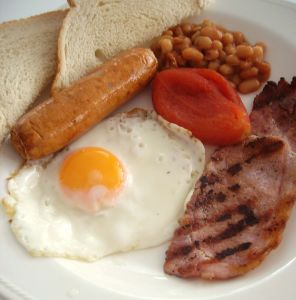 Saint Patrick’s Day Breakfast
How lucky we are this year that Saint Patrick’s Day falls on the weekend so how about having a traditional full Irish breakfast.
Start with traditional bangers and then choose either Canadian bacon or double hickory smoked bacon. Add Eggs, grilled tomatoes, soda bread, baked beans and coffee or Irish breakfast tea. You can top your grilled tomatoes with grated cheese and herbs or have them just grilled. Your eggs can be fried, poached or scrambled.
Bangers are the cornerstone of the traditional full Irish breakfast. Irish loin bacon is very similar to Canadian bacon as both are cut from the pork loin and are fairly lean meats. They are cured and not smoked. Irish bacon also has a small bit of tail meat connected to the eye of the loin. Double hickory smoked bacon is very similar to American bacon or what is called streaky bacon in the British Isles. This type of bacon comes from the pork belly and is easily distinguished by the stripes of lean and fat that run through it. Double hickory smoked bacon is a fine substitute if you decide not to use Canadian bacon.
Irish breakfasts vary from cook to cook and region to region by incorporating local specialties. Some regional favorites include mashed potatoes that are fried with leftover vegetables, blood sausage or sautéed mushrooms.